
Thermochromic Pigments
Thermochromic pigments are special materials that change color with temperature variations, widely used across various industries.
Technical Principle
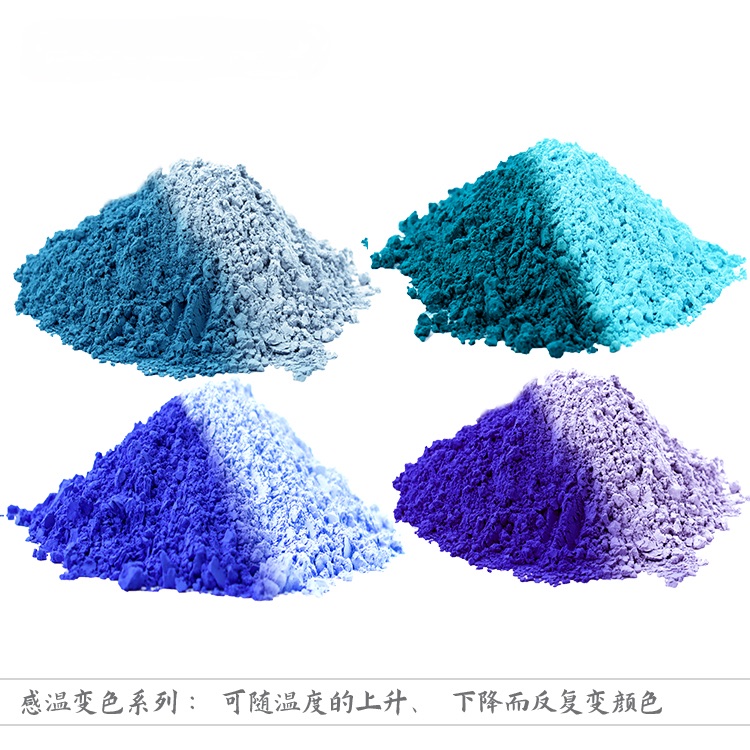
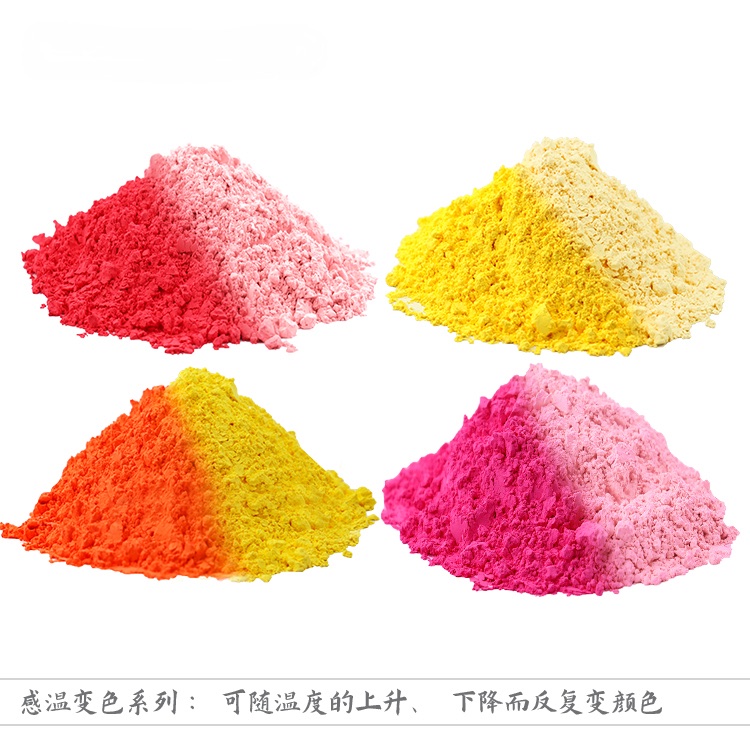
Thermochromic pigments operate based on microencapsulation technology. The microcapsules contain leuco dyes, color developers, and temperature regulators. When the temperature is below the color change point, the substances inside the microcapsules are in a crystalline state, allowing the color developer to contact the leuco dye and produce color. When the temperature rises above the color change point, the substances melt, separating the color developer from the leuco dye, causing the color to disappear.
By selecting different temperature regulating materials, pigments with various color-changing temperature ranges can be produced.
Product Description
• Color Change Principle: Colored at low temperature and colorless at high temperature, reversible color changes
• Temperature Range: -5°C ~ 70°C
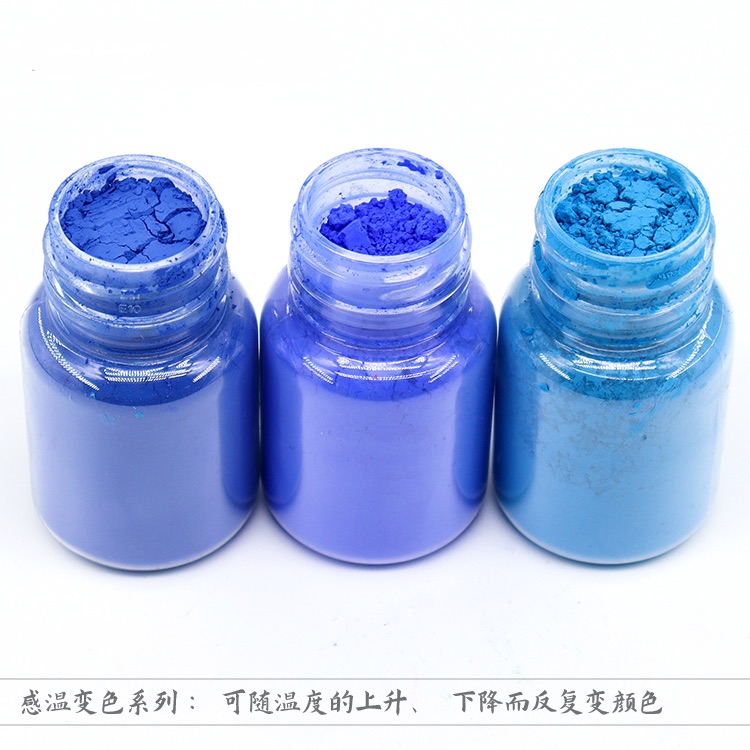
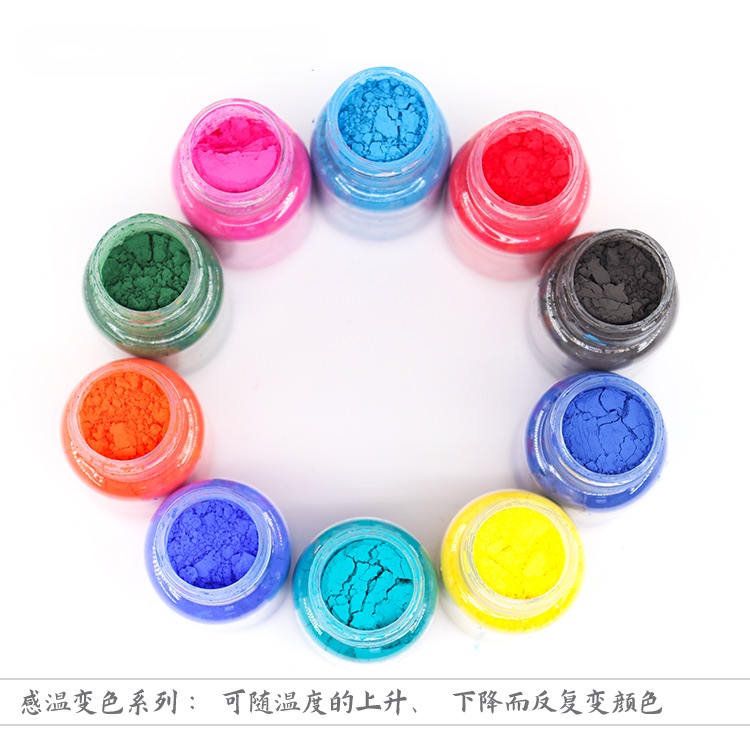
• Color Range: Capable of achieving various color changes
• Basic Colors: 15 base colors available, all colors can be mixed and matched, also compatible with other pigments
• Customization: Color matching according to customer requirements, achieving combinations between thermochromic and regular colors
Applications
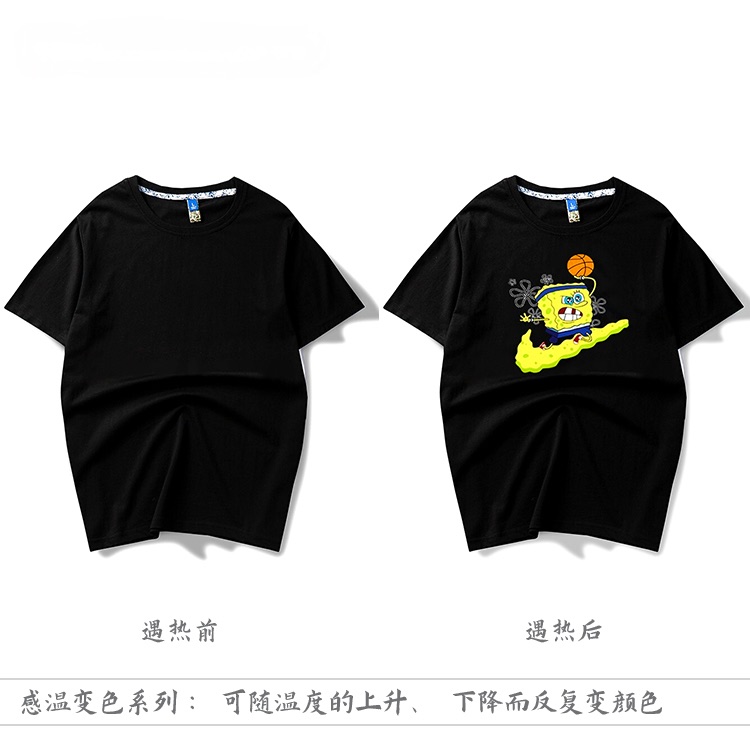
Textiles
Used in temperature-sensitive color-changing clothing such as T-shirts, hats, and gloves
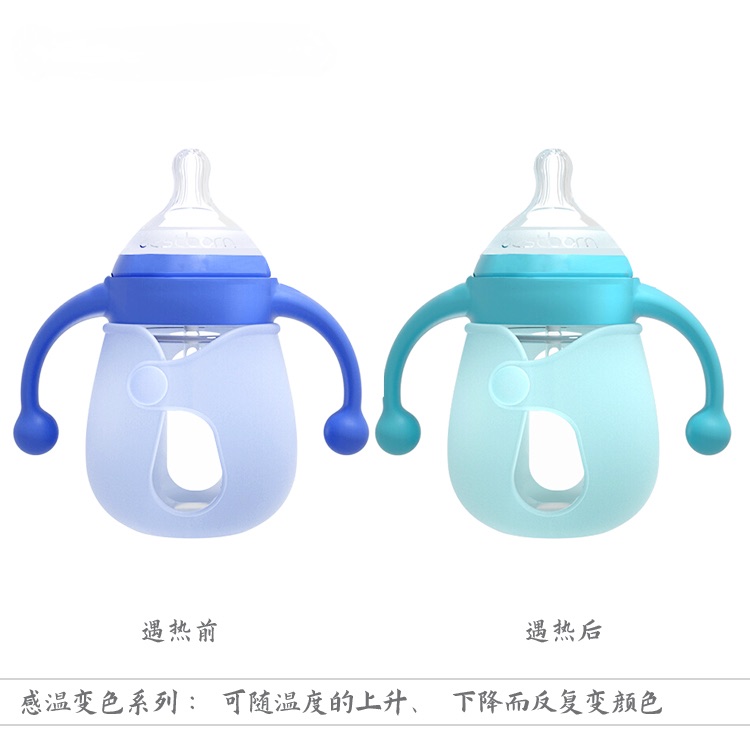
Plastic Products
Used in temperature-indicating products such as toys, cups, and packaging
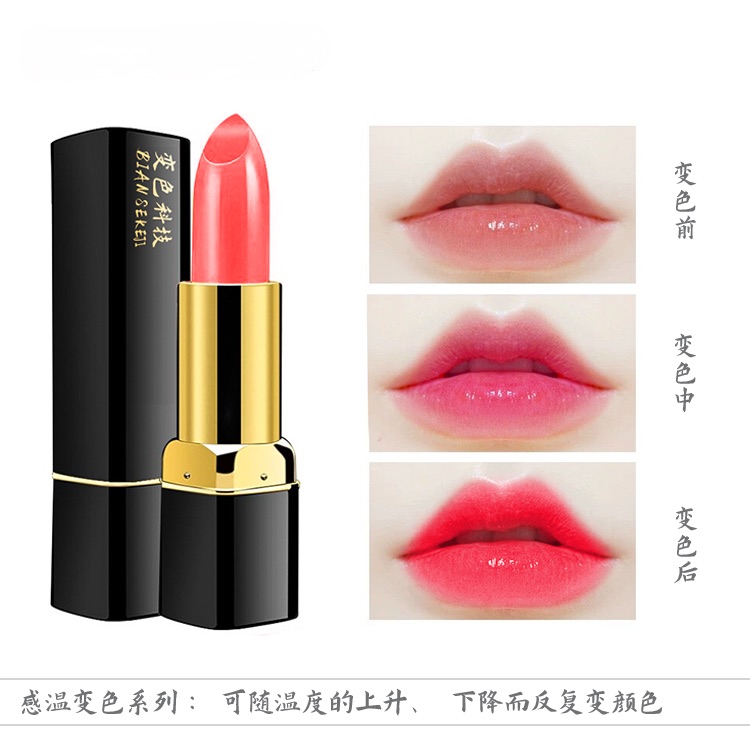
Security Products
Used in security printing, anti-counterfeiting labels, and temperature indicator cards
Usage Instructions
For injection molding, extrusion processing, casting, compression molding, or curing, use 0.5%-1.0% thermochromic pigment relative to the plastic content. Thoroughly mix the thermochromic pigment with plastic particles (a small amount of white oil can be used during mixing). When combining regular pigments with thermochromic pigments, use regular pigments (or dyes) at 0.5-2.5% of the thermochromic pigment amount.
Processing temperature should be kept below 200°C, not exceeding 220°C, and minimize material heating time. (High temperature and prolonged heating will damage the color-changing properties).
Thermochromic Ink Usage:
1. Drying Methods: (Air-dry, bake-dry, UV curing), can be diluted with appropriate solvents. (Water-based inks are also available, dilutable with water) Recommend white or light-colored backgrounds for better color change contrast. 2. Screen Selection: Choose mesh count between 150-200. 3. Solvents: Can be diluted with appropriate solvents. (Water-based inks are also available, dilutable with water) 4. Storage: Store thermochromic inks in sealed, dry, dark places away from direct sunlight.
Important Notes
Contact Us
If you are interested in our products or have any questions, please feel free to contact us.
Inquire Now