
Photochromic-Thermochromic Composite Pigments
Photochromic-thermochromic composite pigments are advanced security materials sensitive to both light and temperature.
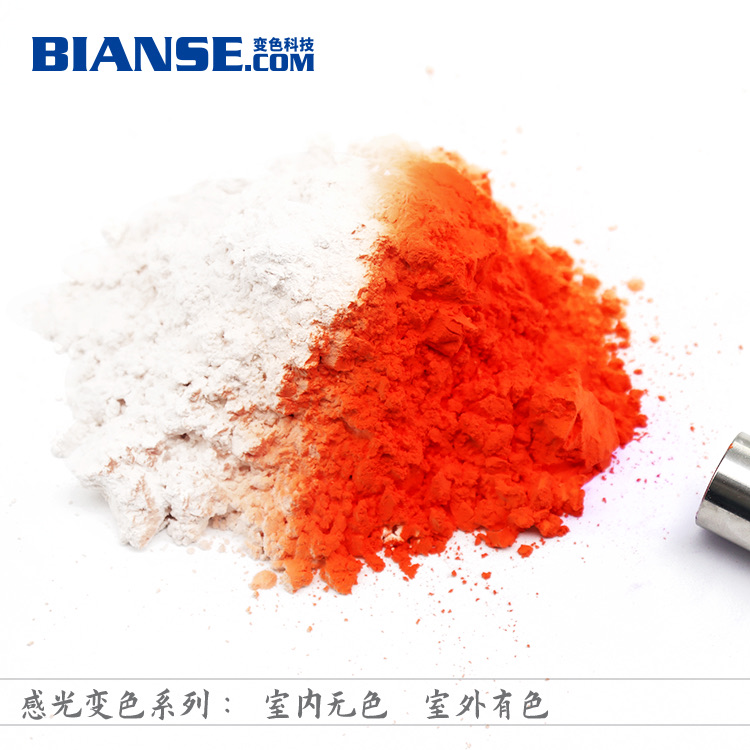
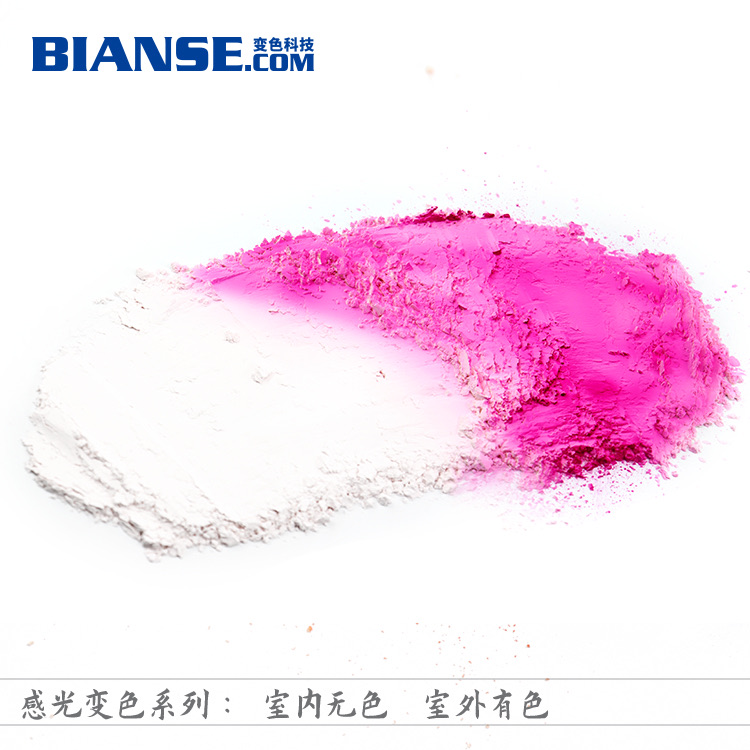
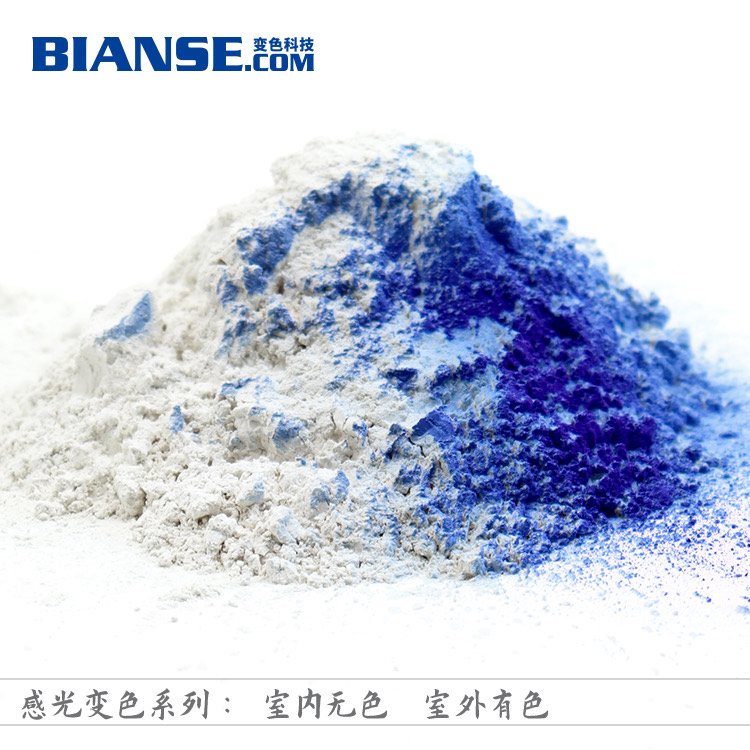
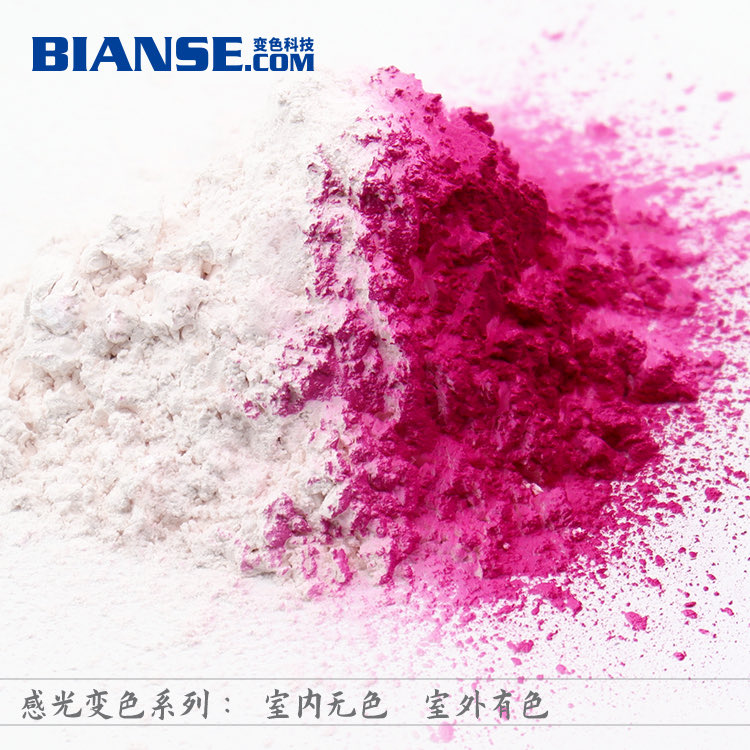
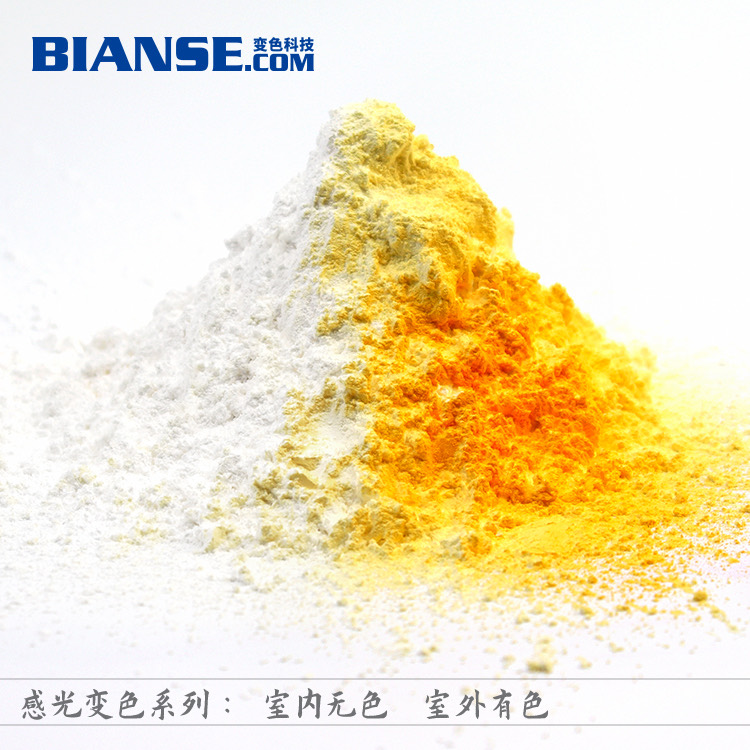
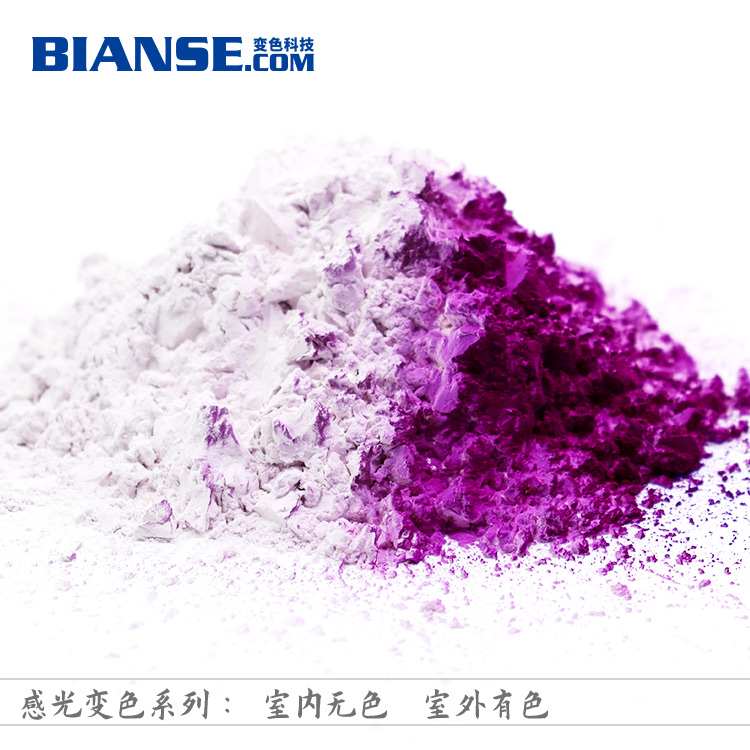
Technical Principle
Photochromic-thermochromic composite pigments combine the properties of both photochromic and thermochromic materials, responding to both light exposure and temperature changes.
The photochromic component is based on photochromic molecules that undergo reversible structural changes under UV light exposure, leading to color changes. The thermochromic component uses microencapsulation technology to control color appearance and disappearance through temperature changes.
The combination of these two mechanisms results in more complex color-changing behavior, significantly enhancing security features.
Product Description
• Dual Color-Change Mechanism: Responds to both light exposure and temperature changes
• Multiple Color Combinations: Achieves complex color-changing effects
• High Security Performance: Color-changing process difficult to replicate, ideal for advanced security applications
• Eco-friendly Formula: Free from harmful substances
• High Customizability: Photochromic and thermochromic properties adjustable according to customer requirements
Applications
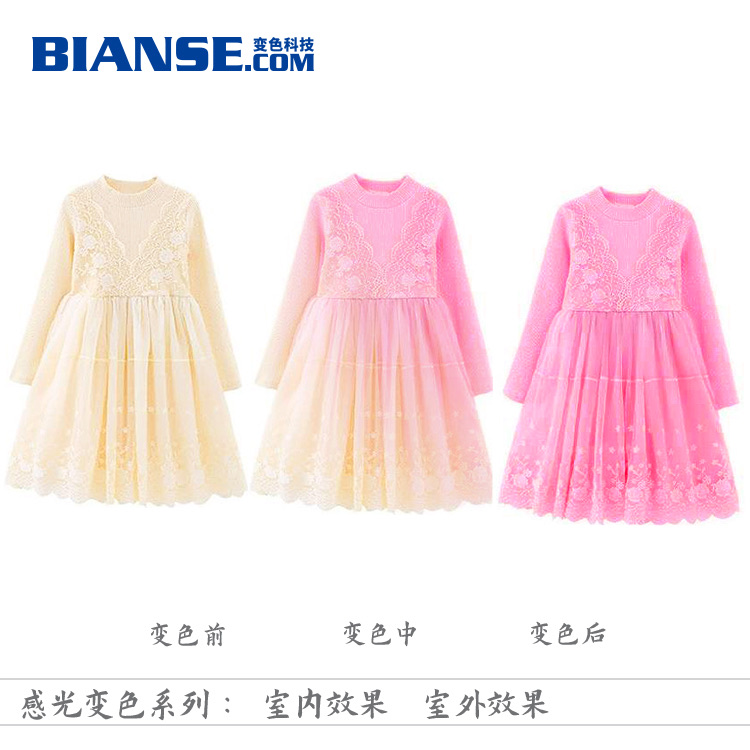
Apparel and Accessories
Used in fashion clothing and accessories, providing unique color-changing visual effects
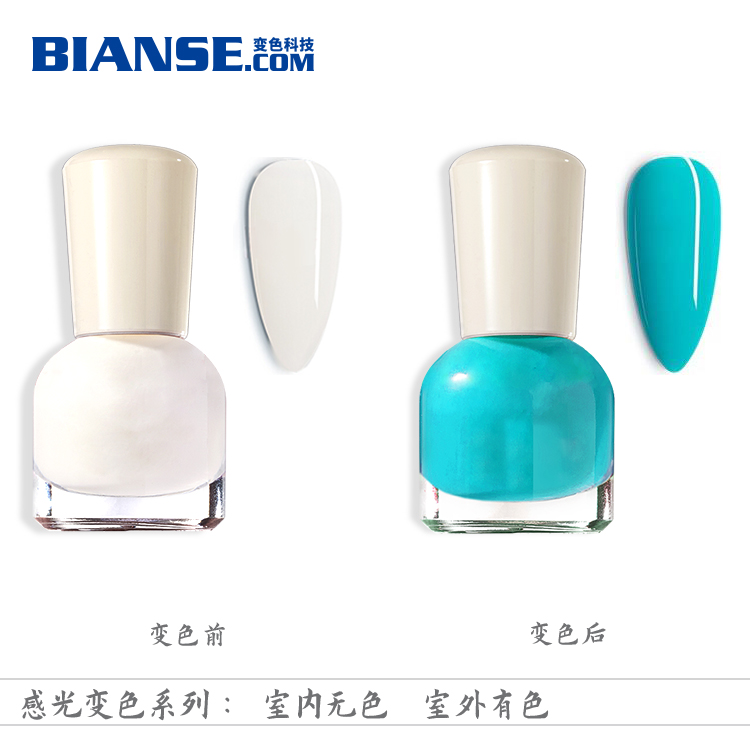
Cosmetics and Packaging
Used in cosmetic containers and high-end product packaging to enhance brand recognition
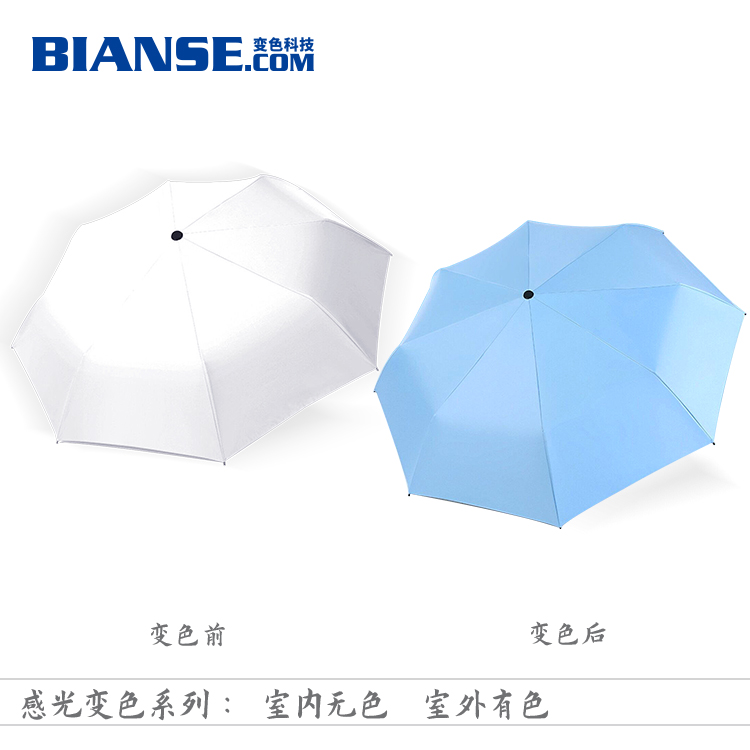
Consumer and Home Products
Applied in daily life and home decoration products to enhance product value and user experience
Usage Instructions
1. Recommend screen printing process with mesh count 150-200 2. Add composite pigments at 10-20% ratio (adjust according to desired effect) 3. Dry below 60°C to avoid affecting thermochromic properties 4. For best results, print on light or white backgrounds
Plastic Applications:
1. Addition ratio 0.5-2% (adjust according to desired effect and substrate) 2. Process below 200°C, minimize high-temperature exposure time 3. Recommend using transparent or light-colored substrates for better color change observation
Important Notes
Contact Us
If you are interested in our products or have any questions, please feel free to contact us.
Inquire Now