Product Updates
Discover the latest product updates and innovations from Aolong Chemical.
Thermochromic Magic for Plastic Toys: Interactive Experiences
Introduction: When Technology Meets Playfulness
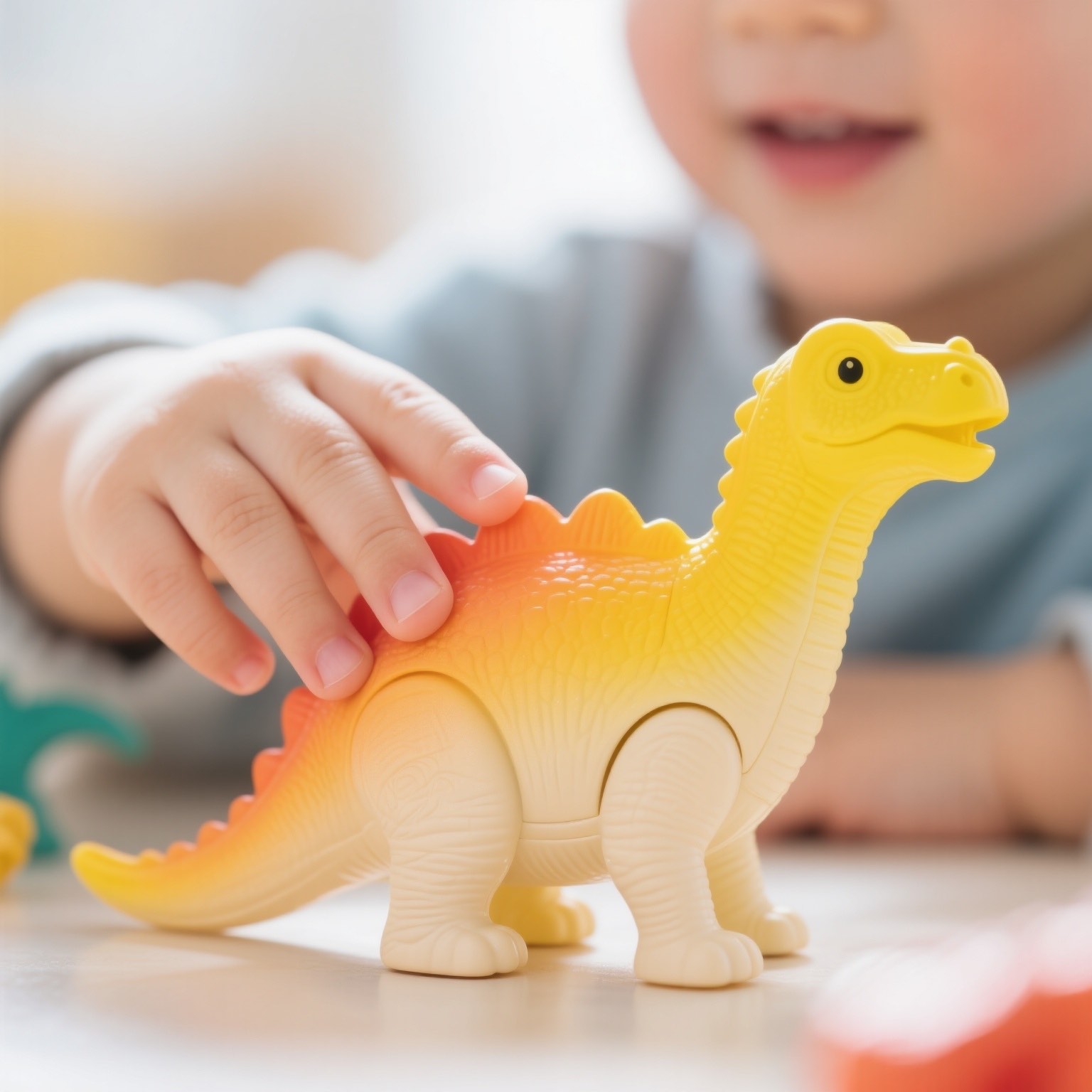
In the wave of innovation sweeping through plastic toys, thermochromic pigment technology is quietly sparking a color revolution. This magical material, which changes color with temperature variations, not only adds visual appeal to toys but also creates unprecedented interactive experiences. From educational toys to collectible models, thermochromic pigments are redefining the possibilities of plastic toys.
Technical Analysis: The Scientific Magic of Thermochromic Pigments
How It Works
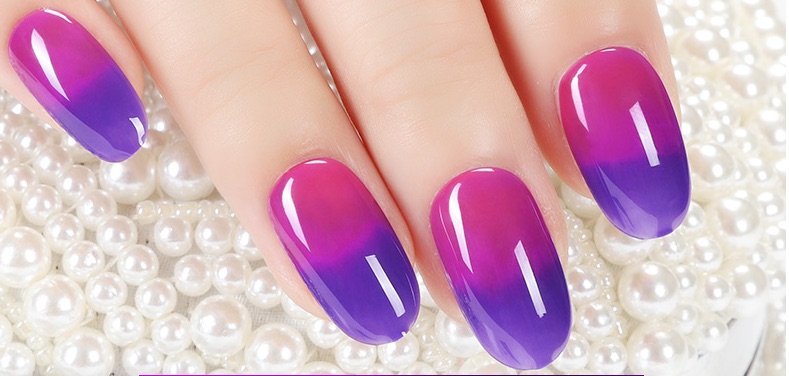
Thermochromic pigments operate based on the heat-triggered color-change principle, with the core being microencapsulated thermochromic materials. These microcapsules are only 3-10 micrometers in diameter and contain three key components:
- Electron Donor: Provides electrons
- Electron Acceptor: Accepts electrons
- Solvent Medium: Changes state at specific temperatures
When temperature reaches the critical point, the solvent state changes, triggering electron transfer and producing color changes. This process is completely reversible, ensuring long-term toy value.
Technical Advantages
- Precise Temperature Control: Color-change temperature can be customized within a wide range
- Rapid Response: Color change completes in 1-3 seconds
- Reversible Cycle: The effect can switch back and forth hundreds of times when designed well
- Encapsulated Chemistry: The active components sit inside a microcapsule wall, a sensible starting point for toy-safety screening
Designing the Color-Change Experience: Choosing the Activation Temperature
The activation temperature is the most user-visible design decision in a thermochromic toy. Pick it from the play scenario:
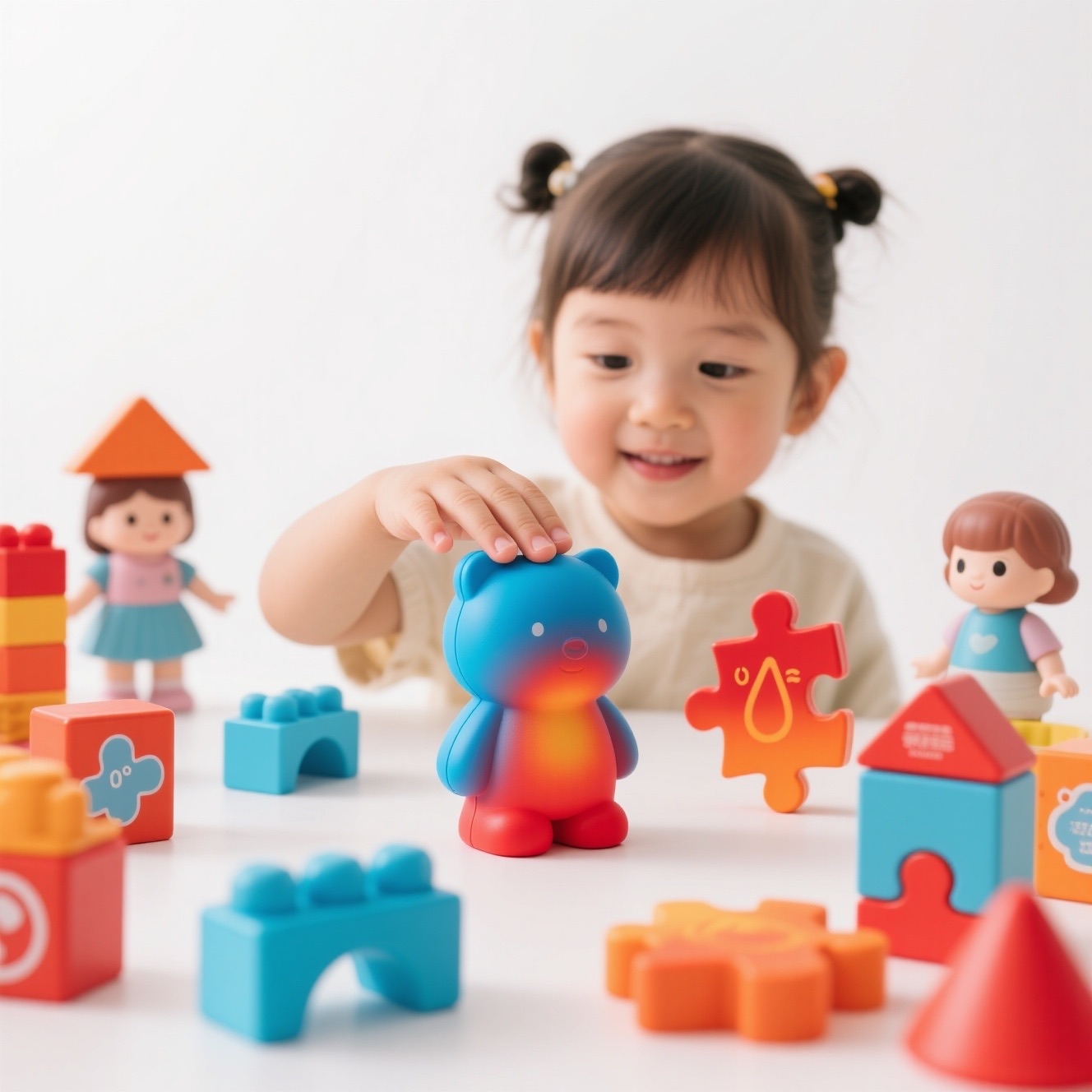
- Hand-touch reveal (figures, puzzles, dolls): 28–31 °C — close to skin temperature, so a child's grip triggers the change
- Bath toys: 40–45 °C — responds to warm water, not to a surface warmed by sunlight
- Cold-reveal items: 10–15 °C — transitions when moved from a warm room to a cold surface
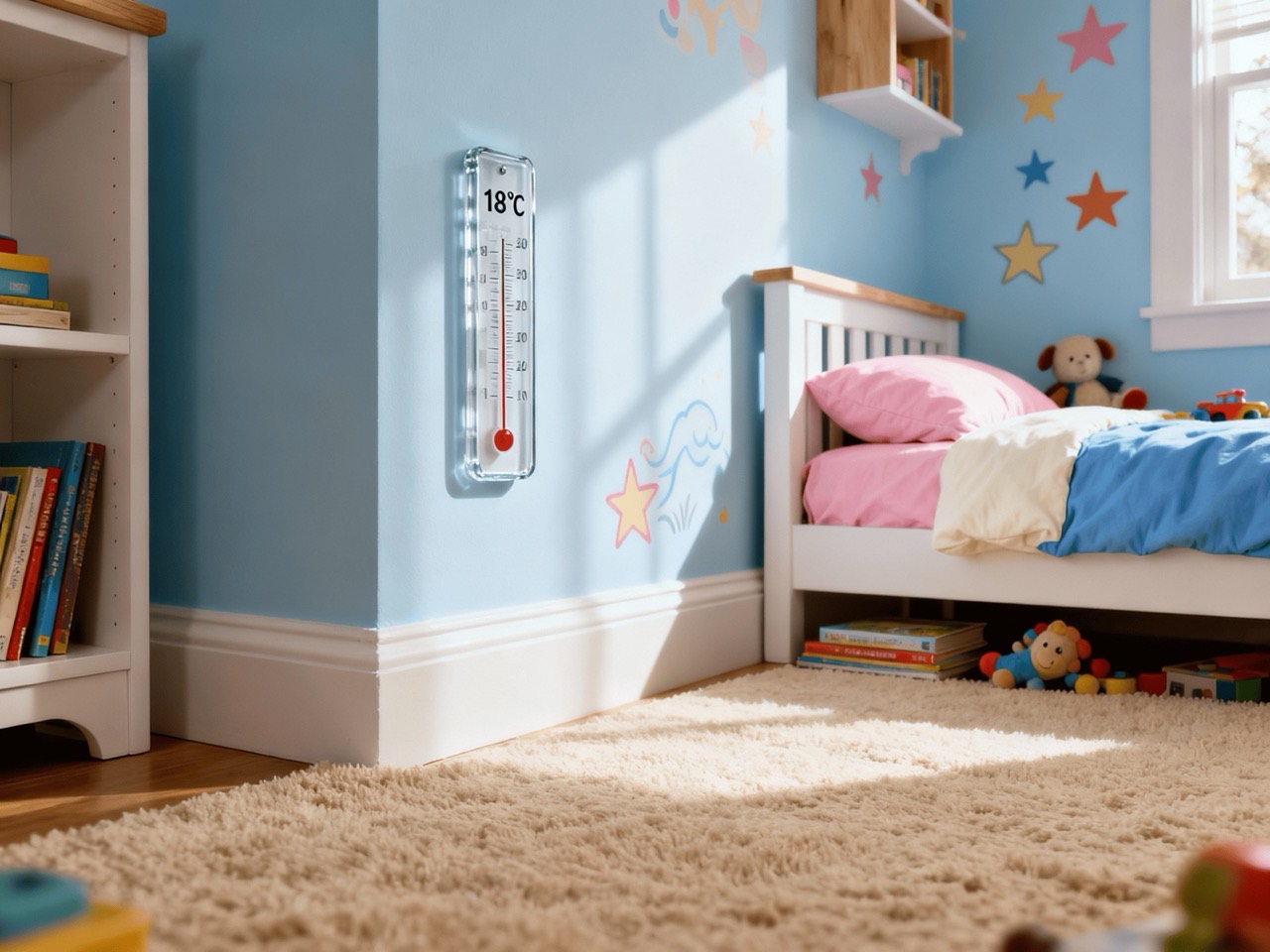
- Ambient / seasonal effects: 20–25 °C — room-temperature drama for display products
Two boundaries to keep in mind: below roughly 15 °C the effect feels sluggish, and above the activation point the color stays in its "off" state — which matters for toys shipped through hot summers.
Beyond temperature, the strongest toy designs share three patterns: they put the effect where hands naturally rest, they build contrast between color-changing and static regions, and they make the color change part of the gameplay rather than decoration on top of it.
Application Scenarios: Bringing Toys to Life
1. Breakthrough in Educational Toys
Thermochromic pigments have opened up STEM educational toys:
- Temperature-Sensing Toys: Help children intuitively understand temperature concepts
- Science Experiment Kits: Demonstrate phase changes and heat transfer through hand warmth
- Interactive Puzzles: Hidden patterns are revealed by temperature changes after completion
2. Enhanced Play Experience
- Color-Changing Dolls: Change color when hugged to express "emotions"
- Color-Changing Clay: Touch-sensitive, offering diverse play methods
- Bath Toys: Water temperature triggers color transformations
3. Collectible and Display Value
- Limited Edition Models: Special temperature-sensitive versions
- Display Items: Dynamic colors under controlled cabinet temperatures
- Seasonal Products: Different theme colors as ambient temperatures change
Toy Safety and Compliance Basics
Toys are among the most tightly regulated applications for any colorant, and thermochromic systems are no exception. Three standards dominate:
- EN71-3 (EU): migration limits for elements such as lead, cadmium and mercury in toy materials
- ASTM F963 (US): the US toy standard with its own heavy-metal requirements
- GB 6675 (China): China's national toy safety standard
For brands and converters, three practical takeaways: request third-party migration test reports on the colorant or masterbatch; remember the finished toy is what gets certified and budget for that testing; and keep lot-level documentation so any market audit can be answered quickly. Encapsulated chemistry is a good starting point for migration screening, but it never replaces testing of the final article.
From Effect to Product
Turning a color-change demo into a shippable toy line is mostly an engineering exercise: choosing a compatible carrier resin, setting letdown ratios for the wall thickness, and controlling shear and residence time so the capsules keep their sensitivity over thousands of shots. Those production decisions sit with the plastics plant — and we walk through them in the companion guide Toy-Safe Thermochromic Masterbatch: Compliance and Production on our group's colorants portal, Aolong Chemical.
Future Development Trends
- Multi-Stage Color Change: continuous color changes at multiple temperature points
- Pattern Variation: from single-color changes to pattern transformations
- Faster Response: quicker visual feedback for interactive play
- Smart Integration: combining color-change surfaces with sensors and lighting
As the technology continues to mature and costs further optimize, thermochromic pigments will play an increasingly significant role in the plastic toy industry, bringing more surprises and joy to children worldwide.
ThermoColors: Focused on thermochromic technology, illuminating the future of functional materials with "color"!